Best Tips for Applying Beauty Makeup
Quick Guide to Better Makeup Application
- Choose foundation based on your skin type, undertone, preferred finish, and coverage level.
- Prep skin properly with a simple skincare routine so makeup applies more smoothly and lasts better.
- Use the right brushes and tools to blend foundation, eyeshadow, blush, and contour more evenly.
- Learn basic color theory to pick flattering shades for eyes, lips, cheeks, and colour correction.
- For everyday makeup, focus on balance, blending, and products that suit your lifestyle in South Africa’s climate.
Beauty makeup is more than product application. It is a practical way to enhance your features, express your style, and feel more confident in your everyday routine or for special occasions.
The best makeup results usually come from understanding your skin, choosing the right formulas, and applying products with simple, repeatable techniques. Whether you prefer a natural look or something more polished, a few core principles can make a big difference.
If you are shopping for beauty products online in South Africa, Foxy Beauty offers a wide range of makeup, skincare, beauty tools, and aesthetic products. It is always wise to read product descriptions carefully and choose products according to your own skin type, preferences, and goals.
Helpful note: Makeup routines should be personalised. Skin type, undertone, finish preference, climate, and comfort level all matter. Results and experiences may vary from person to person.
Basics of Choosing a Foundation
Foundation creates the base for the rest of your makeup. A good match should look natural, feel comfortable, and work with your skin rather than sitting heavily on top of it.
Start with your skin type
If you have oily skin, a soft matte or long-wear formula may feel more balanced. Dry skin often does better with hydrating or radiant formulas. Combination skin may benefit from lightweight foundations that can be layered where needed. Sensitive skin generally does best with carefully selected formulas and minimal irritation triggers.
Think about coverage and finish
- Sheer coverage: Best for a fresh, skin-like result.
- Medium coverage: A versatile option for everyday wear.
- Full coverage: Useful when you want a more perfected look.
- Matte finish: Helps reduce visible shine.
- Dewy finish: Creates a more luminous effect.
- Natural finish: Often suits most routines and occasions.
A common question is, how do you choose the right foundation? The short answer is this: match it to your skin type, undertone, and the look you want. The best formula is one that feels like a second skin and blends easily.
If you want to compare options, explore the makeup collection and check the formula details before buying.
Matching Your Foundation to Your Skin Tone
Choosing the right shade is one of the most important parts of makeup application. A foundation that matches well should blend into the face and neck without leaving a visible line.
Understand undertones
Your undertone is the subtle tone beneath the surface of your skin. It is usually described as:
- Cool: Pink, red, or bluish tones
- Warm: Golden, peachy, or yellow tones
- Neutral: A balance of warm and cool tones
Test in natural light
One of the best beauty tips is to test foundation along the jawline in natural light. This helps you see whether the shade blends naturally with both your face and neck.
What if your foundation looks too light or too dark? Adjusting the shade may be necessary, but first check whether the issue is undertone rather than depth. A formula can be the right darkness but still look off if the undertone is wrong.
Why skincare matters before foundation
Makeup often looks better on well-prepped skin. A consistent skincare routine can improve how foundation sits, blends, and wears throughout the day. Cleansing, moisturising, and daily sun protection all support a smoother canvas.
Color Theory and How It Relates to Beauty Makeup
Color theory helps you choose shades that complement your features. In makeup, it is useful for eyeshadow selection, blush harmony, lipstick tones, and colour correction.
A simple definition of color theory in makeup
Color theory is the use of complementary and contrasting shades to create balance, emphasis, or correction. It helps explain why certain shades make your eyes stand out or why some concealer tones neutralise discolouration more effectively.
Basic colour-correcting ideas
- Green: Often used to soften the look of redness
- Peach or orange: Often used to reduce the appearance of blue or purple tones
- Yellow: Can help brighten certain dull-looking areas
Choosing flattering makeup shades
- Blue eyes: Browns, coppers, and peaches can create contrast.
- Green eyes: Burgundy and warm neutrals can be striking.
- Brown eyes: Brown eyes are versatile and suit many shades, from bronze to plum.
For cheek and lip colours, warm undertones often pair well with peach, coral, terracotta, and warm reds. Cool undertones often suit rose, berry, mauve, and blue-red tones. Neutral undertones usually have more flexibility across both groups.
Essential Makeup Brushes for Beginners
The right tools can improve both application and blending. You do not need a large kit to get started, but a few core brushes can make your routine easier and more polished.
Beginner-friendly brushes to own
- Foundation brush: Good for buffing liquid or cream products into the skin.
- Powder brush: Helps set makeup lightly and evenly.
- Blush brush: Designed for controlled cheek colour application.
- Eyeshadow brush: Packs colour onto the eyelid.
- Blending brush: Softens edges and helps shadows transition smoothly.
- Eyeliner brush: Useful for gel liner or more precise definition.
- Lip brush: Helps with clean lipstick edges.
- Brow brush or spoolie: Shapes and blends brow products.
Which makeup brushes are most important for beginners? If you want to keep it simple, start with a foundation brush, powder brush, blush brush, eyeshadow brush, and blending brush. These cover most everyday makeup looks.
To build your kit, browse the beauty tools collection. Quality tools can help products apply more evenly and may also reduce product waste over time.
Brush care tip
Clean brushes regularly with a gentle cleanser or brush wash. This helps maintain performance and hygiene. Let brushes air dry fully before using them again.
Types of Eyeliner and How to Apply Them
Eyeliner defines the eyes and can change the mood of a makeup look quickly. The best type for you depends on your skill level, desired finish, and how soft or dramatic you want the result to be.
Pencil eyeliner
Pencil liner is beginner-friendly and versatile. It can create a soft daytime look, define the waterline, or be smudged for a smoky finish.
Gel eyeliner
Gel liner works well for bold definition and winged looks. It usually gives you a little more control and blending time before it sets.
Liquid eyeliner
Liquid liner gives sharp, precise results and is often used for cat-eye or graphic liner looks. It usually requires a steadier hand and more practice.
Easy eyeliner tips
- Start with short strokes instead of drawing one long line.
- Keep your elbow supported on a surface for better control.
- Apply with your eyes open if you want to see the true shape as you work.
- Use primer or a light base on the eyelids if you want better wear.
What is the easiest eyeliner for beginners? Pencil eyeliner is often the easiest starting point because it is forgiving, quick to apply, and easier to soften if you make a mistake.
Types of Mascaras and When to Use Them
Mascara can lengthen, volumise, define, or curl the lashes depending on the formula and brush shape. The right mascara choice depends on the finish you want and the occasion.
Common mascara types
- Lengthening mascara: Good for a more separated, fluttery look.
- Volumising mascara: Best when you want fuller-looking lashes.
- Curling mascara: Helps create a lifted effect.
- Waterproof mascara: Useful for humid weather, long days, or emotional events.
- Fiber mascara: Often chosen for more dramatic length and definition.
Which mascara is best for everyday wear? A lengthening or defining mascara is often the easiest option for daily makeup because it enhances the lashes without looking overly heavy.
If you are comparing formulas, keep your eye sensitivity, desired finish, and removal routine in mind. Waterproof products may last longer but usually need more thorough removal.
Highlighting and Contouring Basics
Highlighting and contouring are techniques used to create dimension on the face. Highlight draws light to areas you want to emphasise, while contour adds shadow where you want more definition.
Where to highlight
Typical highlight points include the tops of the cheekbones, bridge of the nose, cupid’s bow, brow bone, and sometimes the centre of the forehead, depending on your face shape and preferred finish.
Where to contour
Contour usually goes under the cheekbones, along the temples, jawline, and sometimes the sides of the nose. Placement should be adjusted to suit your face shape and how strong or soft you want the effect to be.
Blend for a natural result
The most important part of contour and highlight is blending. Harsh lines can make the makeup look heavy. A fluffy brush or damp sponge can help soften the transition between products.
Do you need to contour every day? Not at all. For many people, a touch of bronzer, blush, and subtle highlight is enough for a balanced everyday look.
Special Occasion Makeup Ideas
Special events often call for a slightly more polished or dramatic version of your everyday makeup. The goal is still to feel like yourself, just with a little more definition, colour, or glow.
- Smoky eye: A classic option for evening events and formal occasions.
- Bold lip: Red, berry, or rich nude lipstick can create a strong focal point.
- Shimmering highlight: Adds a more luminous finish for celebrations.
- Defined lashes: Volumising mascara or carefully chosen false lashes can elevate the eyes.
- Monochromatic makeup: Coordinating eyes, cheeks, and lips in one colour family creates a cohesive modern look.
A good tip for event makeup is to practice the look beforehand, especially if you are trying a stronger eyeliner, bolder lip colour, or contour placement that is new to you.
Current Trends in Beauty Makeup
Makeup trends can inspire new ideas, but they work best when adapted to your own features and comfort level. A trend does not need to be copied exactly to be wearable.
Popular beauty looks
- Dewy skin: A fresh, radiant complexion with light-reflective products.
- Bright lips: A statement lip paired with simpler eye makeup.
- Graphic liner: More creative eyeliner shapes and negative-space designs.
- Glitter accents: Usually added to the lid, inner corner, or centre of the lips.
- Monochromatic colour stories: Matching tones across the face for a clean, modern finish.
Trends can also be influenced by climate and lifestyle. In South Africa, many shoppers look for makeup that balances wear time with comfort, especially in warmer weather.
A soft product suggestion
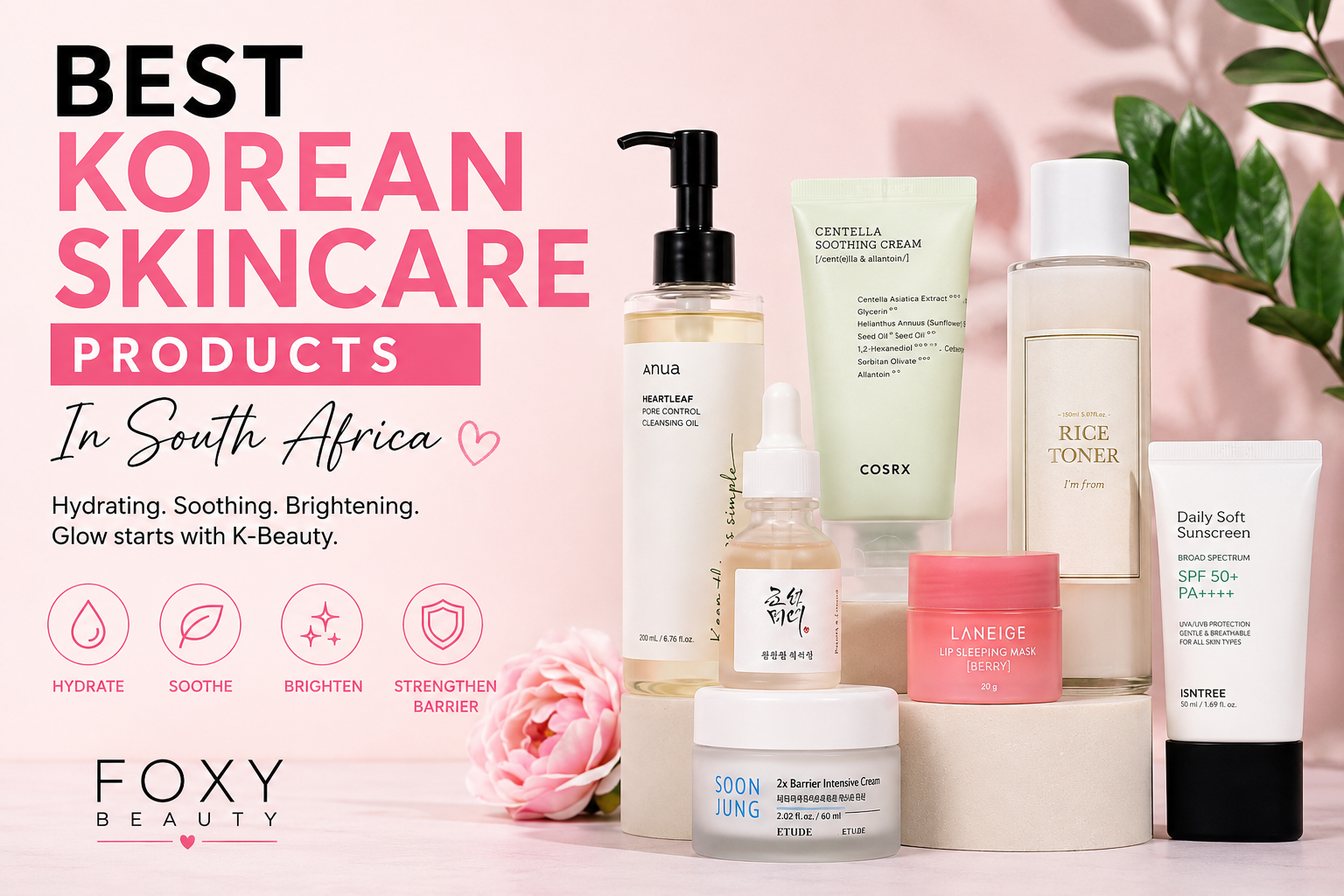
If you are refining your routine, it can help to explore makeup together with supportive skincare and tools. Many shoppers also like to browse Korean skincare in South Africa for lightweight hydration and skin-prep products that work well under makeup.
For broader self-care and beauty shopping, you can also visit the main Foxy Beauty shop and compare categories carefully before choosing what suits your routine.

Flawless makeup starts with the right base, balanced colour choices, and careful blending.

Eye definition, mascara, and soft contour can elevate both everyday and occasion makeup looks.
Frequently Asked Questions
1. What is the best way to make makeup look more natural?
Use thin layers, blend carefully, and choose products that match your skin tone and undertone well. A natural finish foundation, soft blush, and well-groomed brows are often enough for an effortless look.
2. How do I know if I need matte or dewy foundation?
Matte formulas are often preferred by oily skin types or anyone who wants less shine. Dewy formulas usually suit dry or dull-looking skin. The best choice depends on your skin type, climate, and preferred finish.
3. Which makeup tools should a beginner buy first?
A foundation brush or sponge, powder brush, blush brush, eyeshadow brush, and blending brush are a practical starting point. Choose tools that suit the types of products you use most often.
4. Does skincare really affect makeup application?
Yes, skincare can influence how makeup sits on the skin. Cleansed, hydrated skin often helps foundation apply more evenly. Choose skincare according to your individual needs, and patch test when appropriate.
5. Where can I shop for makeup and beauty products online in South Africa?
Foxy Beauty is an online beauty and aesthetic product store in South Africa offering makeup, skincare, beauty tools, and other self-care categories. Always read each product description carefully and choose responsibly based on your own needs.
What Readers Say
★★★★★
“I wanted simple makeup advice without too much confusion. This kind of guidance makes it easier to choose products that actually fit my routine.”
— Lerato, Gauteng
★★★★★
“Helpful and clear. I liked that it explained foundation undertones and tools in a way that felt practical for everyday shopping in South Africa.”
— Ayesha, Cape Town
★★★★★
“The balance between skincare, makeup, and realistic expectations feels trustworthy. It helped me feel more confident about what to buy.”
— Nokuthula, Durban
Ready to Build Your Makeup Routine?
If you are comparing beauty products online in South Africa, explore the Foxy Beauty makeup collection for everyday essentials, special occasion options, and beauty staples that can help you create a routine that feels right for you.
Foxy Beauty offers beauty, skincare, aesthetic, and self-care products online in South Africa. Before purchasing, read product descriptions carefully, consider your individual needs, and seek professional guidance where relevant. Professional products should be used responsibly, and this content is educational only. It does not replace medical advice.
Editorial Note
Written for Foxy Beauty customers looking for clear, helpful beauty, skincare, aesthetic, and self-care guidance in South Africa. This content is created to help shoppers understand product categories, compare options, and make more confident beauty buying decisions.