Get a Refreshed and Rejuvenated Skin with TCA Peeling Treatment
TCA Peeling at a Glance
- TCA peeling is a chemical exfoliation treatment that helps improve the look of dull, uneven, rough, or tired-looking skin.
- It is commonly used to support the appearance of smoother texture, brighter tone, and softer-looking fine lines, post-acne marks, and pigmentation.
- Recovery can include redness, tightness, flaking, and visible peeling, depending on the peel strength and your individual skin response.
- Preparation and aftercare matter. Gentle skincare, sun protection, and responsible product use can make a big difference to the overall experience.
- Professional guidance is important for stronger peels or advanced aesthetic products, and results may vary from person to person.

TCA peeling is often chosen to refresh the look of skin texture and tone.
If you are looking for a way to improve the appearance of your skin, TCA peeling may be one of the most talked-about options to explore. This treatment is commonly used to help skin look smoother, brighter, and more refreshed by encouraging the shedding of older, damaged surface cells.
For many people, the appeal of a TCA peel is simple: it can support a more even-looking complexion and a renewed skin surface without relying on heavy makeup or harsh daily scrubbing. That said, every skin type is different, and the right approach depends on your goals, sensitivity level, and routine.
TCA peeling uses trichloroacetic acid to exfoliate the skin and reveal a fresher-looking layer underneath. Depending on the product and strength used, a treatment session often takes around 30 minutes, and some people may need multiple sessions to work toward their preferred cosmetic outcome.
Understanding TCA Peeling
TCA peeling is a type of chemical peel. A chemical peel is a cosmetic exfoliation treatment that uses an acid-based solution to remove older surface skin cells and encourage skin renewal.
In the case of a TCA peel, the active ingredient is trichloroacetic acid. Once applied, it works on the upper layers of the skin. This controlled exfoliation process can help improve the look of rough texture, uneven tone, fine lines, post-breakout marks, and some forms of visible sun damage.
The degree of peeling can vary. It depends on factors such as the concentration used, the condition of your skin, your history with exfoliating treatments, and how your skin responds during recovery.
What happens during a TCA peel?
Before a peel, a skincare professional usually starts with a consultation. This helps assess your skin concerns, sensitivity level, current routine, and whether a TCA-based option is appropriate for your needs.
During the appointment, the skin is usually cleansed and prepped first. The peeling solution is then applied in a controlled way. Many people describe the sensation as stinging, tingling, warm, or slightly burning for a short time.
As the peel works, the skin may feel tight and can show visible frosting or whitening in some cases. After the treatment, the skin is typically soothed and supported with appropriate aftercare products.
Who Can Benefit from TCA Peeling?
TCA peeling is popular among people who want to improve the overall appearance of the skin without surgery. It is often considered for cosmetic concerns such as:
- Fine lines and early visible signs of aging
- Uneven skin texture or roughness
- Dull-looking skin
- Surface pigmentation and post-acne marks
- Visible sun damage or age spots
- The appearance of acne scarring
Not every peel is suitable for every person. Skin type, tone, barrier health, sensitivity, and your wider skincare routine all matter. If you are unsure, it is best to seek qualified advice before choosing a stronger acid treatment.
How to Prepare for a TCA Peel
A good peel experience starts before the treatment itself. Preparation supports skin comfort and can help reduce unnecessary irritation.
1. Book a skin consultation first
A consultation can help determine whether your skin is suited to a TCA peel and what strength or approach may be most appropriate. This matters even more if you have reactive skin, active irritation, or are using strong actives at home.
2. Pause sensitising products if advised
Before a peel, many people are advised to stop using products that may increase sensitivity, such as retinoids, AHAs, BHAs, and other intensive exfoliants. Waxing and shaving the treatment area close to the appointment may also increase irritation.
3. Keep your routine simple and gentle
Focus on cleansing, hydration, and barrier support. Avoid experimenting with harsh scrubs or too many new actives in the days leading up to a peel.
4. Protect your skin from sun exposure
Sun exposure can leave skin more vulnerable. Broad-spectrum SPF and consistent sun care are especially important before and after a peeling treatment.
Helpful shopping tip
If you are comparing exfoliating products, peel support products, or recovery-friendly routine options, you can browse Foxy Beauty’s chemical peels collection and skincare collection. Read each product description carefully and choose according to your skin needs and experience level.
What to Expect During Treatment
During a TCA peeling session, the solution is applied to the skin in a controlled manner. A qualified provider may start conservatively, especially if your skin is new to chemical exfoliation or tends to be sensitive.
It is normal to feel temporary tingling, stinging, or heat. The skin may look red afterwards and can feel tight for a while. In the following days, some people notice flaking or visible peeling, while others experience only light dryness depending on the treatment depth.
What matters most is not chasing the strongest peel possible. The better long-term approach is choosing what suits your skin condition, tone, recovery tolerance, and personal goals.
Questions to discuss with your provider
It is a good idea to discuss your skin concerns, product sensitivities, past reactions, and any relevant health information with your provider. This helps them decide whether a peel is suitable and how to approach it responsibly.
Aftercare for TCA Peeling Treatment
Aftercare is one of the most important parts of the process. Once the skin has been professionally exfoliated, it usually needs a calmer, more supportive routine.
Redness, dryness, flaking, and tightness can happen after a peel. It is important not to pick, scratch, or pull off peeling skin. Doing so may interfere with the healing process and may increase the chance of irritation or visible marks.
Gentle cleansing, regular moisturising, and daily sun protection are usually key parts of recovery. Depending on your routine, you may also need to pause stronger actives until the skin has settled fully.
Barrier-support reminder
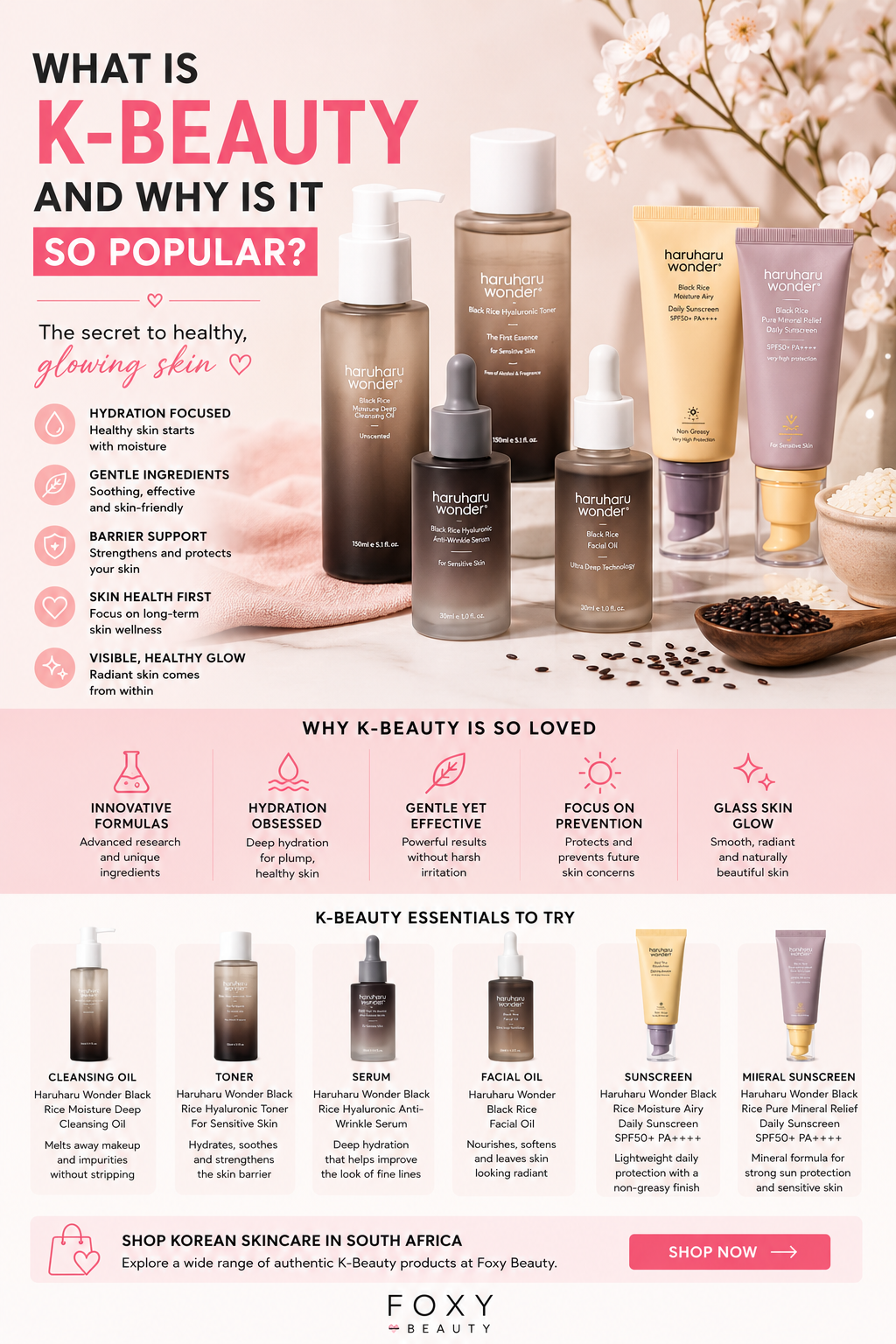
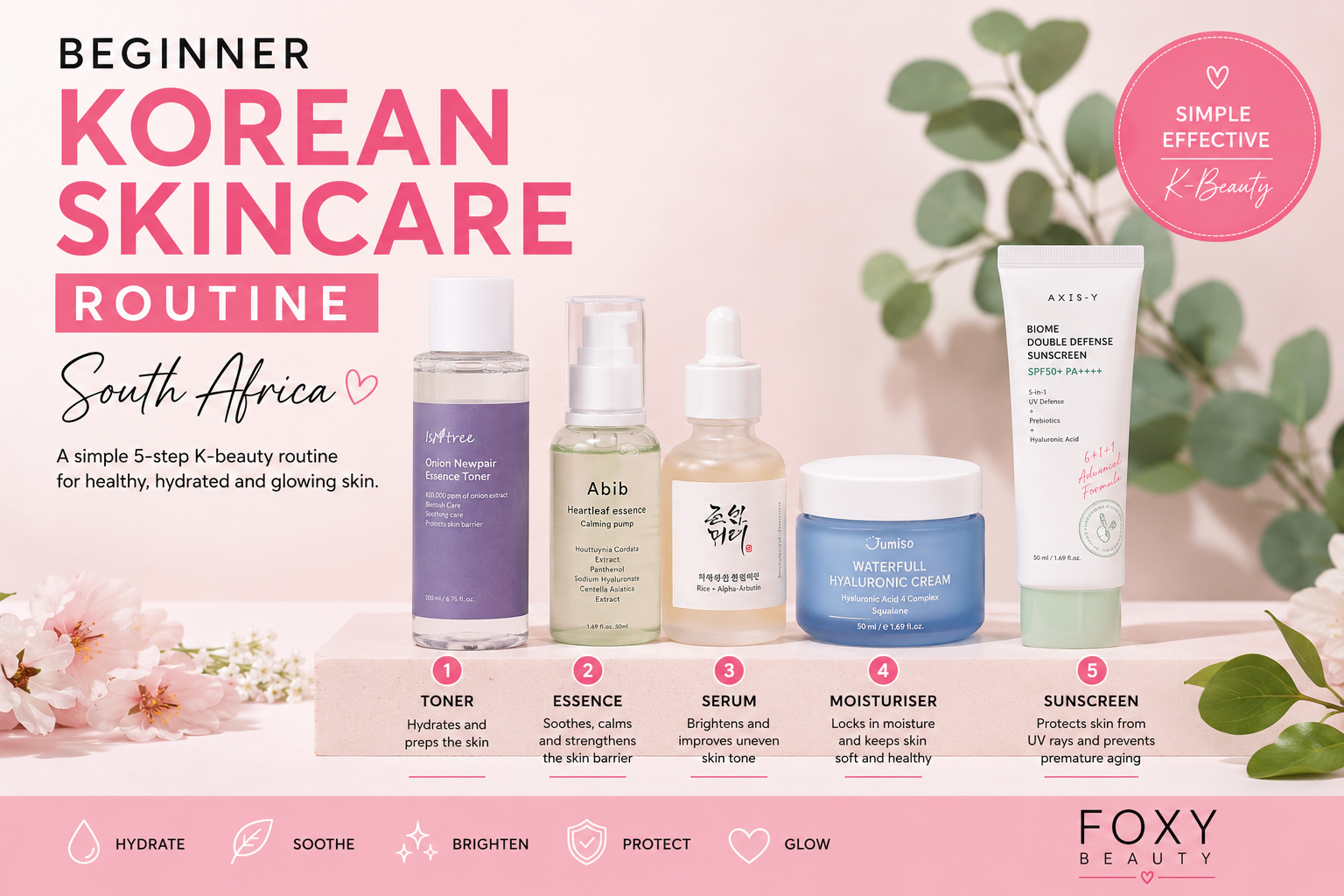
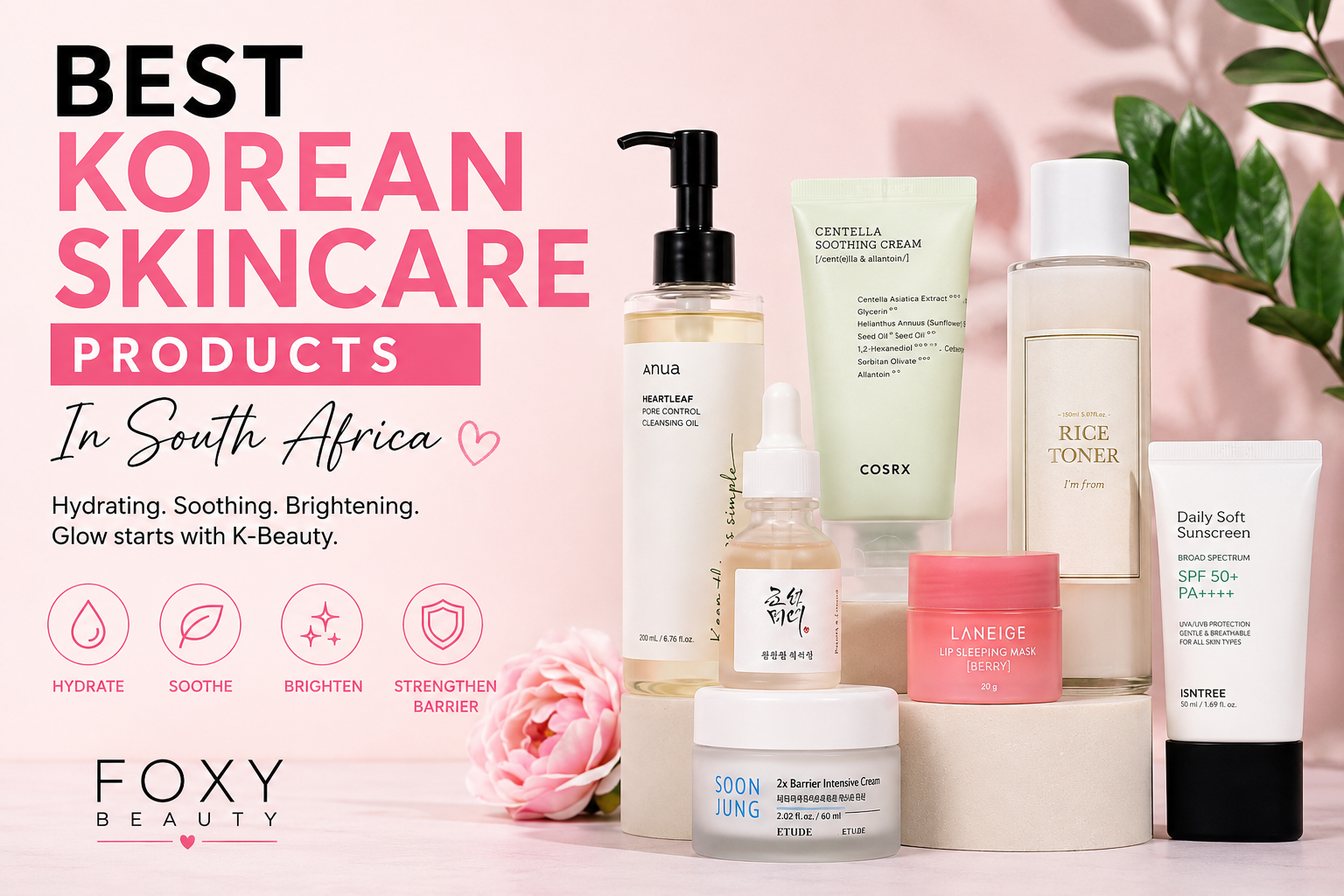
If your skin feels vulnerable after exfoliation, a simple, nourishing routine is often the better choice. Foxy Beauty also offers a broad selection of Korean skincare in South Africa for shoppers looking for hydration-focused, skin-comforting formulas.
Benefits of TCA Peeling Treatment
TCA peeling remains widely popular because it can address several visible skin concerns at the same time. While individual results vary, common cosmetic benefits may include:
Some people also pair exfoliation-focused routines with other hydration and rejuvenation categories depending on their beauty goals. If you are comparing advanced aesthetic categories, Foxy Beauty also offers skin boosters online in South Africa. These are professional product categories and should be chosen responsibly with proper guidance where relevant.
Are There Any Risks or Side Effects?
TCA peeling can be safe when used appropriately and when carried out by a qualified, experienced professional. However, that does not mean it is suitable for everyone.
Common short-term side effects may include redness, tightness, tenderness, dryness, swelling, and peeling. Less common risks can include prolonged irritation, pigment changes, or scarring, especially if the skin is not assessed properly or aftercare is ignored.
This is why stronger peels should never be treated casually. Always read product or treatment information carefully, follow guidance closely, and seek professional support if you are dealing with a more advanced peel or a professional-use category.
Alternatives to TCA Peeling
TCA peeling is effective for many cosmetic concerns, but it is not the only option. Some people may prefer gentler or different approaches depending on their tolerance, lifestyle, and goals.
If you are comparing advanced treatment categories, it helps to think about downtime, sensitivity, skin tone, budget, and how much maintenance you are comfortable with over time.
Maintaining Results After a TCA Peel
Once your skin has recovered, the way you care for it can influence how long your refreshed look lasts. Consistency matters more than extremes.
- Use daily sun protection. UV exposure can affect the appearance of tone, texture, and post-peel recovery.
- Stay hydrated. Well-supported skin often looks more comfortable and balanced.
- Keep your routine gentle. A simple cleanser, moisturiser, and SPF are often foundational.
- Be selective with exfoliation. Overdoing acids after a peel can disrupt your skin barrier.
- Choose products for your own skin needs. Not every active or routine suits every person.
- Consider maintenance wisely. Some people prefer occasional touch-up treatments, but timing should be guided responsibly.
What real shoppers often say
⭐⭐⭐⭐⭐
“I liked that the information was clear and not overhyped. It helped me understand what to expect from peel-related skincare and what aftercare products to look for.”
⭐⭐⭐⭐⭐
“Foxy Beauty has a wide range, so being able to compare skincare categories in one place made shopping feel easier. I appreciated the reminder to read product details carefully.”
⭐⭐⭐⭐⭐
“Helpful overview for anyone interested in skin texture and glow. It felt balanced and realistic, which made me more confident about choosing products that fit my routine.”
Frequently Asked Questions About TCA Peeling
1. What is TCA peeling used for?
TCA peeling is commonly used to improve the appearance of dullness, rough texture, uneven tone, post-acne marks, and some visible signs of skin aging. Suitability depends on your skin type and goals.
2. How long does peeling last after a TCA peel?
Recovery varies. Some people notice light flaking, while others experience more visible peeling for several days. The type of peel, strength, and your skin response all play a role.
3. Is TCA peeling suitable for all skin types?
Not always. Some skin types and tones may need extra caution, a different peel option, or professional assessment first. It is best to choose peel products and treatments according to your individual skin needs.
4. What should I avoid after a TCA peel?
Avoid picking peeling skin, excessive sun exposure, and restarting strong active products too quickly. Gentle skincare and consistent SPF are usually important during recovery. Professional guidance is recommended for stronger peels.
5. Where can I buy skincare and peel-related beauty products in South Africa?
Foxy Beauty is an online beauty and aesthetic product store in South Africa offering skincare, chemical peels, beauty tools, and other self-care categories. Always read product descriptions carefully before buying and choose responsibly based on your needs and experience level.
Final Thoughts
TCA peeling can be a valuable cosmetic option for people who want skin that looks more refreshed, smoother, and more even in tone. It is especially appealing for those targeting visible texture concerns, dullness, or the look of post-acne marks and fine lines.
The key is to approach peeling with realistic expectations and a strong focus on skin health. There are no guaranteed outcomes, and the best routine is always the one chosen with your own skin condition, comfort level, and lifestyle in mind.
Explore TCA peel and skincare options at Foxy Beauty
If you are comparing peel-related products or supportive skincare in South Africa, browse the Foxy Beauty chemical peels collection and main shop. Foxy Beauty offers beauty, skincare, aesthetic, and self-care products online in South Africa. Please read product details carefully before purchasing, choose based on your individual needs, and seek professional guidance where relevant for advanced or professional-use categories.
Editorial note
Written for Foxy Beauty customers looking for clear, helpful beauty, skincare, aesthetic, and self-care guidance in South Africa. This content is created to help shoppers understand product categories, compare options, and make more confident beauty buying decisions.